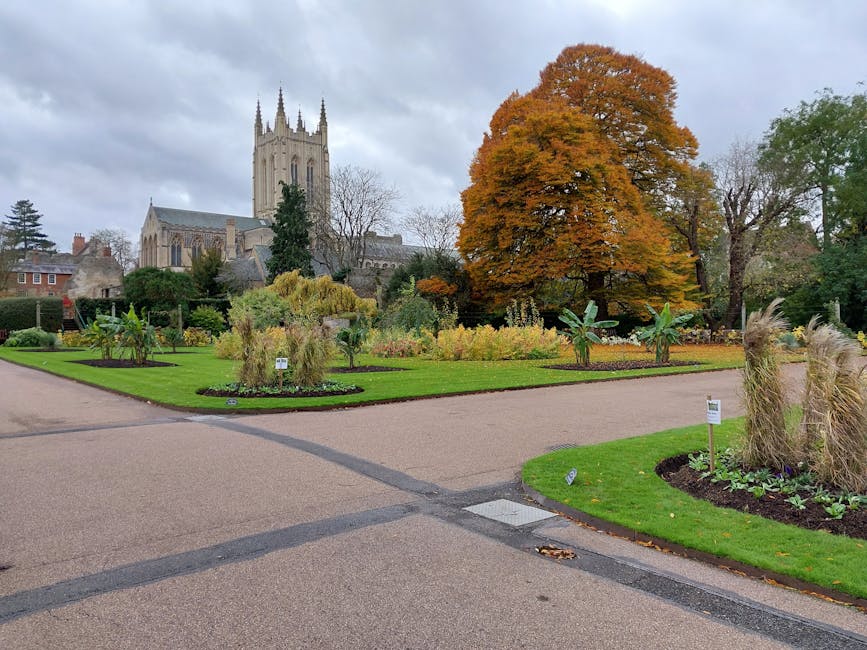
Avoid common gardeners mistakes in Stratford High Street: a practical guide for better gardens, fewer headaches, and less wasted effort
If you garden in or around Stratford High Street, you already know the pattern: a wet week, a burst of sun, then one stubborn patch of compacted soil or a hedge that shoots up faster than you expected. It's very easy to make small gardening errors that turn into bigger, messier problems later. This guide will help you avoid common gardeners mistakes in Stratford High Street with clear, practical advice you can actually use, whether you're tidying a small front plot, managing a busy shared garden, or planning a full refresh.
The aim here is simple. Save time. Save plant loss. Save money where you can. And, just as importantly, avoid the sort of mistakes that make a garden look tired even after you've worked hard on it. Let's face it, nobody wants to spend a Saturday afternoon sweating over the same border twice.
Below, you'll find a step-by-step approach, common pitfalls, local considerations, and a checklist you can come back to before you start any job. If you're comparing help for bigger tasks, it can also be useful to review the full range of gardening services and see what fits the job in hand.
Table of Contents
- Why avoiding common gardening mistakes matters
- How a better approach works in practice
- Key benefits and practical advantages
- Who this is for and when it makes sense
- Step-by-step guidance
- Expert tips for better results
- Common mistakes to avoid
- Tools, resources and recommendations
- Law, compliance, standards, or best practice
- Options, methods, or comparison table
- Case study or real-world example
- Practical checklist
- Conclusion
- Frequently asked questions
Why Avoid common gardeners mistakes in Stratford High Street Matters
Gardening mistakes are often cumulative. One bad cut on a hedge, one missed drainage issue, one over-enthusiastic mow, and suddenly the garden is looking patchy, stressed, or uneven for weeks. In a place like Stratford High Street, where you may be dealing with smaller urban spaces, shaded corners, wind tunnels between buildings, and a mix of hard surfaces and containers, little errors can show up quickly.
It matters because the garden is not just decorative. It affects how your property feels, how much maintenance it needs, and how safe it is to walk through. Slippery paving, overgrown edges, blocked paths, or poor pruning can become practical problems, not just aesthetic ones. And if the garden belongs to a rental, commercial, or shared property, the standard expected is usually higher than people think.
There's also the money side. Replacing dead plants, re-laying turf, correcting drainage, or redoing a badly cut hedge is rarely cheap. Most of these headaches start as avoidable habits: rushing, guessing, or using the wrong method for the season.
Expert summary: good gardening is rarely about doing more. It's about doing the right things in the right order, and resisting the urge to "fix" everything at once.
How Avoid common gardeners mistakes in Stratford High Street Works
The best way to avoid common errors is to treat gardening as a sequence rather than a scramble. First, assess the space properly. Then match your work to the season, the soil, the plant type, and the actual condition of the garden. That sounds obvious, but in real life people often skip straight to cutting, digging, or feeding.
In practical terms, this means you start by looking for stress signals: yellowing leaves, compacted soil, bare spots, moss, signs of overcrowding, or pruning cuts from earlier in the year that have not healed well. In Stratford High Street, where space can be tight and gardens may be shaded by surrounding buildings, you also need to notice where water sits after rain, where sunlight really reaches, and where foot traffic keeps wearing the same line across the lawn.
A sensible process usually goes like this:
- Observe the garden before touching it.
- Decide what needs attention now, and what can wait.
- Use the right tools for each task.
- Make clean, measured cuts rather than heavy-handed ones.
- Clear waste promptly so you can see the result properly.
- Check again after a few days, especially after pruning or mowing.
This approach sounds simple, but it stops a lot of avoidable damage. If a job is bigger than a routine tidy-up, it may be worth using a professional team that can handle everything from garden maintenance to more involved landscape gardening without creating a second problem while solving the first.
Key Benefits and Practical Advantages
When you avoid the usual gardening mistakes, the benefits are broader than simply "the garden looks nicer". You get better plant health, less waste, less rework, and a garden that is easier to manage week after week.
- Healthier plants: correct pruning, watering, and feeding reduce stress and encourage stronger growth.
- Cleaner presentation: a well-kept garden instantly improves the feel of a front or rear space, even if it's small.
- Lower maintenance: the right routine keeps problems from piling up.
- Better safety: clear paths, trimmed growth, and tidy edges reduce trip hazards and awkward overgrowth.
- More reliable results: you don't keep undoing your own work a week later.
There's another advantage people miss: confidence. Once you know what not to do, every garden task becomes less stressful. You stop second-guessing every cut. You know when to slow down. That alone can change how the whole space feels.
If you are dealing with stubborn overgrowth or a garden that has got away from you, a focused cleanup can be a smarter starting point than trying to nudge everything into shape one bit at a time. In some cases, garden clearance is the cleanest reset before maintenance begins.
Who This Is For and When It Makes Sense
This guidance is useful for homeowners, landlords, tenants, property managers, and anyone responsible for a garden that needs to look cared for without becoming a full-time job. It is especially relevant if your garden is:
- small but visible from the street;
- partly shaded or exposed to wind;
- shared by several people;
- full of mature shrubs that are easy to overcut;
- used regularly for children, pets, or visitors;
- already showing signs of neglect after a busy season.
It also makes sense if you've tried the usual quick fixes and they haven't held. Mowing a bit lower, for example, does not always solve a patchy lawn. In fact, it can make it worse. Same goes for clipping hedges too hard because they "look untidy". Sometimes they do need trimming, yes, but not a dramatic haircut. Plants are not fans of surprise attacks. Funny how they never seem to appreciate it.
For regular upkeep, a structured service such as lawn mowing or hedge trimming may be enough. For more complex spaces, combining maintenance with landscaping can help set a stronger long-term foundation.
Step-by-Step Guidance
Here's a practical way to work through a garden without making the most common errors. It's not glamorous, but it works.
1) Start with a slow walk-through
Before lifting a tool, look at the whole garden. Notice damaged plants, uneven growth, blocked drainage, broken paving, mossy sections, and areas where the lawn or borders have clearly been under strain. If you only look at one problem at a time, you can miss the bigger pattern.
2) Sort the work by urgency
Deal first with things that affect safety, access, or plant survival. That usually means clearing debris, removing dead material, and making sure paths are usable. Cosmetic tidy-ups come later. This order matters more than people think.
3) Use the correct tool for the job
One of the easiest mistakes is using blunt or unsuitable tools because they are nearby. That can crush stems, tear bark, or leave ragged cuts that take longer to recover. Sharp, clean tools make a very noticeable difference, especially on hedges and shrubs.
4) Cut less than you think you need
With pruning, the first instinct is often to "just take a bit more off". That is where trouble starts. A light, considered cut is normally safer than a heavy one. You can always return later; you cannot easily put growth back once it has gone.
5) Match watering to actual conditions
Container plants, newly planted shrubs, and fresh turf need more attention than established beds, but not all watering should be automatic. Check the soil. If it is still moist, wait. Overwatering can be just as damaging as neglect, especially in heavier soils or shaded spots.
6) Finish by clearing and observing
Once the obvious work is done, clear all clippings and check the result from a few different angles. In a narrow outdoor space, the difference between "tidy" and "unfinished" can be surprisingly small. One missed pile of waste and the whole effect slips. Happens all the time.
Expert Tips for Better Results
In our experience, the gardens that stay tidy are not always the ones that get the most attention. They are the ones managed with rhythm and restraint.
- Trim hedges in stages: if growth is uneven, shape the hedge gradually rather than trying to force symmetry in one go.
- Watch the edges: a crisp lawn edge and clean border line can make the whole space look better with very little effort.
- Work with the season: what looks like a problem in early spring may need patience, not a drastic fix.
- Know when not to cut: some plants recover badly from hard pruning, so a gentler approach is safer.
- Keep a simple routine: a little and often is usually easier to manage than occasional heroic effort.
One small but useful habit is to keep a note of what you changed and when. If a plant responds badly, you'll know what likely triggered it. That sounds almost too basic, but it saves time later. A folded notebook in a shed drawer can be more useful than a shiny new gadget, honestly.
For tricky trees or material close to roofs, fences, or neighbouring boundaries, avoid guessing. Professional tree lopping and removal should be handled carefully, with safety and property lines in mind.
Common Mistakes to Avoid
This is the heart of the matter. If you want to avoid common gardeners mistakes in Stratford High Street, these are the traps worth watching closely.
Cutting too much, too soon
Heavy pruning can shock plants, reduce flowering, and leave bare patches that take months to recover. It is tempting to "reset" a hedge or shrub, but most plants do better with a steady approach.
Ignoring drainage and compacted soil
When water sits on the surface after rain, grass and roots suffer. Compact soil can look fine at a glance, then quietly limit everything underneath. If the ground is hard as a path, it probably needs attention, not more planting on top.
Using the wrong mower height
Cutting a lawn too short exposes it to stress, especially in warm spells or shady urban gardens. A short cut may look neat for a day, but the lawn can thin out quickly. Better to mow consistently and avoid scalping.
Watering on autopilot
People often water because they feel they should, not because the plant or soil actually needs it. That can lead to shallow roots and fungal issues. Check first. Then water properly.
Letting small jobs pile up
A few weeds, a little hedge growth, some fallen leaves. Easy to ignore for a week or two. Then suddenly you are dealing with a bigger, wetter, heavier mess. The longer it sits, the more effort it takes.
Forgetting waste removal
Even a good tidy-up can look half-finished if clippings and branches are left in piles. Removing green waste properly keeps the garden usable and helps you see what still needs doing. If you have more material than expected, a planned clearance can be more efficient than hauling it away in bits.
Choosing aesthetics over plant health
Sometimes the tidy choice is not the healthy choice. A plant may look slightly untidy now but perform better if left alone until the right time. That balance is the tricky bit. Not every bit of growth needs immediate correction.
Tools, Resources and Recommendations
You do not need a shed full of expensive kit to get good results. What matters more is using the basics well and keeping them in decent shape.
| Task | Useful tool | What to look out for |
|---|---|---|
| Lawn care | Push mower or suitable mower for the area | Blade sharpness, correct cutting height, grass collection |
| Hedge shaping | Hand shears or hedge trimmer | Clean cuts, steady lines, safe reach |
| Border tidy-up | Fork, trowel, secateurs | Root disturbance, clean pruning, weed removal |
| Waste removal | Rake, sacks, barrow | Volume of clippings, safe lifting, easy access |
| Tree work | Specialist equipment | Height, stability, nearby structures, personal safety |
For larger or recurring jobs, it can help to have professional support rather than buying tools you will only use a few times a year. A service package such as garden maintenance can keep routine tasks under control, while lawn mowing can be booked as part of a regular plan if the grass is the main issue.
If your garden has hard surfaces, retaining features, or outdoor living areas, related work may also sit alongside decking services or broader landscape gardening. That can be helpful when the garden needs structure as well as tidying.
Law, Compliance, Standards, or Best Practice
Gardening is not usually a highly regulated activity in the way construction or electrical work is, but there are still sensible standards to respect. In the UK, good practice means working safely, controlling waste responsibly, and being mindful of neighbours, shared access, and property boundaries.
Some practical points are worth keeping in mind:
- Safety first: use ladders, cutting tools, and saws carefully, especially near walls, fences, glass, or overhead lines.
- Neighbour awareness: hedge and tree work can affect shared boundaries and light, so a cautious approach is better than a rushed one.
- Waste handling: garden waste should be collected and disposed of responsibly rather than left to rot in corners.
- Insurance and professionalism: if you hire help, it is sensible to ask whether the work is covered appropriately and carried out under clear safety practices.
If you want reassurance on how a provider approaches these issues, pages such as insurance and safety, health and safety policy, and recycling and sustainability can help you understand their working standards and values. That kind of transparency matters. A lot, actually.
Options, Methods, or Comparison Table
Different gardens need different levels of input. Here's a simple comparison to help you decide what makes sense.
| Approach | Best for | Strengths | Trade-offs |
|---|---|---|---|
| DIY routine care | Small, manageable gardens | Low cost, flexible timing, hands-on control | Easy to miss deeper issues; time can add up |
| Occasional targeted help | Gardens needing periodic reset | Good for heavier tasks and seasonal jobs | Problems can reappear if upkeep is inconsistent |
| Regular professional maintenance | Busy households, landlords, shared gardens | Consistency, tidier presentation, less stress | Higher ongoing spend than DIY |
| Full landscaping refresh | Layout problems, worn-out spaces, poor structure | Long-term improvement, better flow, clearer function | More planning needed; can be disruptive while work happens |
There is no single best option. The right one depends on how much time you have, how fast the space changes, and whether the garden is simply untidy or fundamentally working against you. If a lawn keeps failing, for example, mowing alone will not fix that. The same goes for a hedge that needs proper shaping rather than a quick snip.
Case Study or Real-World Example
Consider a typical Stratford High Street courtyard: a narrow lawn strip, two overgrown shrubs, one busy path, and a patio that collects leaves from nearby planting. It looks simple at first glance. Then you start and realise the lawn is patchy because it has been cut too short for months, the shrubs are too thick at the centre, and the path is slippery because debris has been left in the corners.
A rushed approach would be to mow everything short, trim the shrubs back hard, and sweep the patio once. It would look cleaner for a few days, but the lawn would likely suffer more stress, the shrubs could respond with weak regrowth, and the patio might still hold damp matter in the shaded edge.
A better approach is slower and more considered: lift the mowing height, thin and shape the shrubs gradually, clear all waste, check drainage, and create a simple maintenance pattern for the next month. In a space like that, the improvement is often noticeable by the second visit. Less drama. Better finish. More control.
That's the real lesson. A garden does not usually need a heroic rescue. It needs the right order, and a bit of patience. Sometimes a very boring answer is the correct one, which is mildly annoying but true.
Practical Checklist
Use this checklist before you start any gardening job in Stratford High Street:
- Have I looked at the whole garden first, not just the obvious problem?
- Do I know which tasks are urgent and which can wait?
- Are my tools clean, sharp, and suitable for the job?
- Am I about to cut more than the plant can comfortably handle?
- Have I checked the soil moisture before watering?
- Is the lawn being cut at a sensible height?
- Will I remove all clippings, branches, and debris?
- Have I thought about drainage, shade, and foot traffic?
- Could this job affect a boundary, path, fence, or neighbouring space?
- Would a professional service be the safer or more efficient choice?
If you can tick most of those off, you are already ahead of many common mistakes. And if you cannot, that is fine too. It just means the job needs a bit more planning.
Conclusion
To avoid common gardeners mistakes in Stratford High Street, the main thing is not perfection. It is judgement. Look first, cut carefully, water with intention, and keep waste under control. Small decisions, repeated well, make a garden feel calmer and more dependable. That is what most people actually want, even if they only say they want it "tidy".
When a space has become awkward or overgrown, step back and choose the method that suits the garden rather than forcing a quick fix. A little patience now can save you a lot of correction later. And if the job has outgrown your time, your tools, or your patience, that is perfectly reasonable too.
Get a free quote today and see how much you can save.
For practical support, planning help, or a more structured approach to keeping things in shape, you can explore the team's background and get in touch here when you are ready. Sometimes a good garden just needs a steady hand and a fresh start.
Frequently Asked Questions
What are the most common gardening mistakes people make in Stratford High Street?
The biggest mistakes are cutting too much too soon, mowing lawns too short, ignoring drainage, overwatering, and leaving waste behind. In tighter urban gardens, these problems show up quickly because the space has less room to recover.
How often should a garden in Stratford High Street be maintained?
That depends on the size and style of the garden, but most spaces benefit from regular attention rather than occasional big clear-outs. A little and often approach usually keeps the work lighter and the results more consistent.
Is it better to mow lawns lower for a neater look?
Usually not. Cutting too low can stress the grass, especially during dry spells or in partially shaded gardens. A sensible mowing height tends to produce a healthier lawn over time.
When should I call in a professional gardener?
Call in help when the work involves heavy overgrowth, recurring lawn problems, awkward hedges, tree work, or a garden that keeps slipping out of control. If the same jobs keep coming back, professional maintenance can save effort in the long run.
Can over-pruning really damage plants?
Yes, it can. Heavy pruning may weaken growth, reduce flowering, or leave plants looking bare for a long time. It is usually better to trim in stages and give the plant time to respond.
What should I do if my garden has poor drainage?
Start by identifying where water sits and how often it happens. Sometimes the issue is simple compaction or blocked surface flow; other times it needs a more considered landscaping solution. Do not keep adding plants to a soggy patch and hope for the best.
Is garden clearance the same as regular maintenance?
No. Garden clearance is more about removing built-up waste, overgrowth, and clutter to reset the space. Maintenance is the ongoing work that keeps the garden in decent shape afterwards.
How can I make a small Stratford garden look better without major work?
Focus on the edges, clear waste, trim lightly, and keep the lawn or paving clean and well defined. In a small space, neat lines and good proportions matter more than trying to cram in more planting.
What should I look for in a reliable gardening service?
Look for clear communication, sensible safety practices, transparent pricing, and a service range that matches your actual needs. It also helps if the provider explains how they handle waste, access, and larger tasks like tree or landscaping work.
Do I need different tools for hedge trimming and lawn mowing?
Yes, definitely. Hedges and lawns need different equipment, and using the wrong tool can cause uneven results or damage. For example, a hedge trimmer is useful for shaping, while a mower is for keeping grass at the right height.
Why does my garden look worse after I tidy it?
That often happens when the wrong bits are cut back too hard, or when debris is left behind. Another common reason is that the garden had hidden problems such as patchy soil, bad edging, or overgrown structure that only become visible once the superficial clutter is removed.
What is the simplest way to avoid repeat mistakes?
Slow down, inspect the garden before each job, and keep a routine. Most repeat mistakes come from rushing or guessing. A steady plan beats a dramatic weekend overhaul nearly every time.