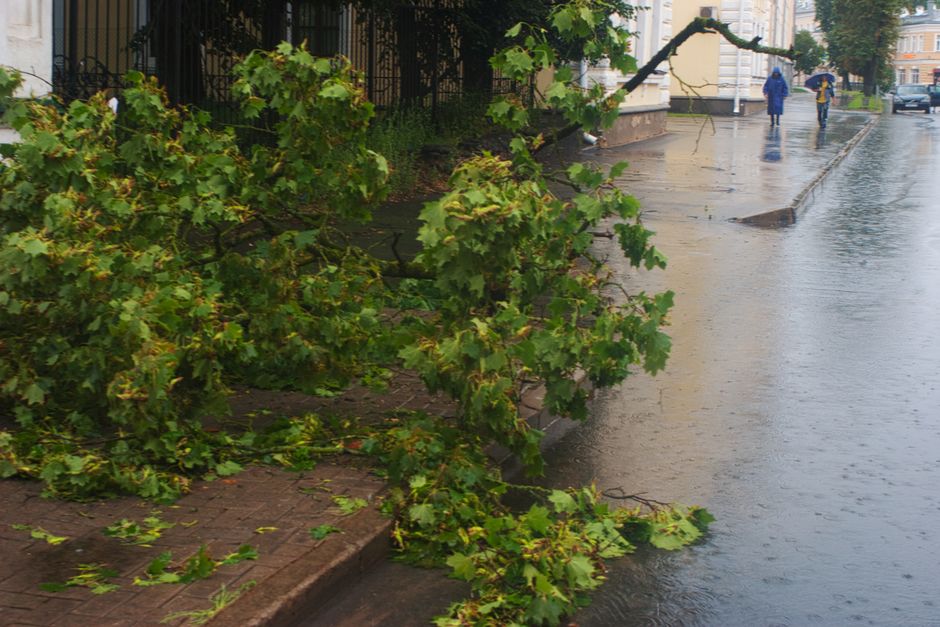
Emergency tree and garden rescue Stratford station gardeners available
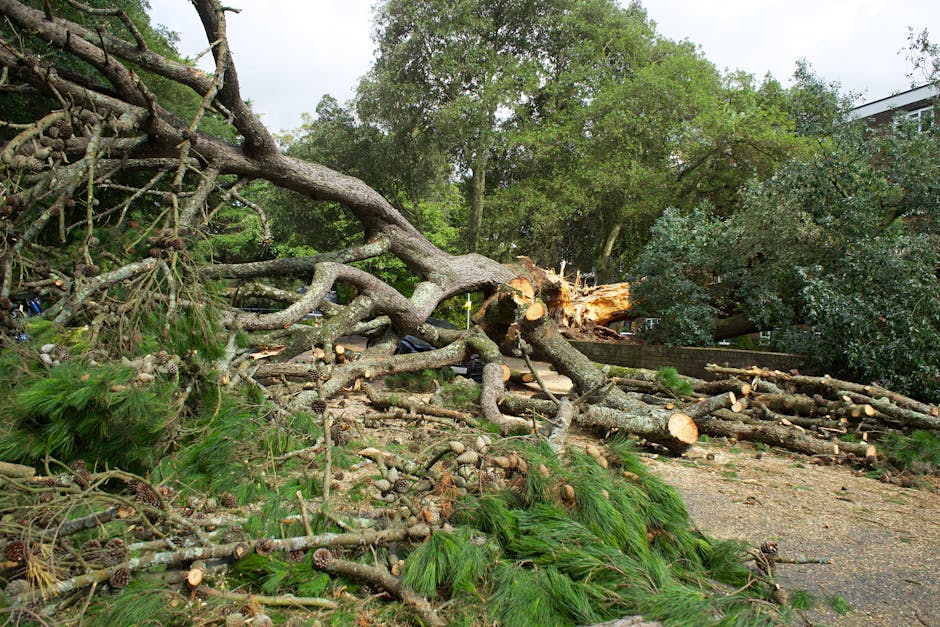
If a tree has split overnight, a hedge has crashed into a path, or your garden has turned into a slippery, blocked-up mess after high wind, you need help quickly and calmly. That is exactly where emergency tree and garden rescue Stratford station gardeners available can make a real difference. The goal is simple: make the space safe, clear the immediate problem, and stop things getting worse.
In practice, emergency garden rescue is not just about tidying. It can mean stabilising broken branches, removing fallen debris, dealing with blocked access, and getting your outdoor space back into a workable state without unnecessary delay. If you are near Stratford station and need a practical, local response, this guide walks you through what to expect, what matters most, and how to make a good decision under pressure.
Let's face it, when a tree is hanging at an odd angle or a fence is pinned under a heavy limb, nobody is in the mood for vague advice. You want clarity, safety, and people who know what they are doing.
Why Emergency tree and garden rescue Stratford station gardeners available Matters
Emergency garden work matters because small delays can become expensive, awkward, or dangerous very quickly. A broken tree limb can keep falling with the wind. A saturated lawn can become a slip hazard. A collapsed hedge can block a side passage or hide damaged fencing. Even something that looks minor from the road can be messy once you step inside and see the full picture.
For homes, landlords, managing agents, shopfronts, and small commercial premises near Stratford station, fast garden rescue is often about more than appearance. It can affect access, safety, neighbours, and whether normal life can keep going that day. A fallen branch across a rear gate is not just untidy. It is a practical problem.
There is also a timing issue. After a storm, conditions can worsen by the hour. Wet soil loosens roots. Broken stems dry out and splinter. Loose debris travels into drains, paths, or shared entrances. The earlier the problem is assessed, the more options you usually have. That is one reason local gardeners and tree teams are so useful in emergencies: they can respond to the immediate situation rather than taking a purely cosmetic view.
Practical takeaway: if the issue affects safety, access, or the stability of a tree or boundary planting, treat it as urgent rather than waiting to see if it "settles". It rarely settles nicely on its own.
There is a human side to this too. Garden damage is stressful. It can feel oddly personal when a familiar space suddenly looks battered, noisy, and out of control. A good emergency team understands that and keeps the process straightforward.
How Emergency tree and garden rescue Stratford station gardeners available Works
Emergency garden rescue usually follows a simple but disciplined pattern. First comes the assessment. Then comes the safe removal or stabilisation of the immediate hazard. After that, the team clears the site, checks for secondary issues, and discusses follow-up work if needed. The exact sequence depends on what has happened, but the logic stays the same: make safe first, tidy second, repair or improve third.
In a real situation, a gardener or tree specialist may arrive and look at a few things straight away: whether the tree is still moving, whether branches are under tension, whether roots have lifted, whether there are overhead lines nearby, and whether debris is restricting access. That initial read matters a lot. A branch that looks loose can still be under pressure, and cutting the wrong section first can make the whole thing jump. No drama, just physics.
Where a tree issue is involved, the work may overlap with tree lopping and removal. For larger garden messes, it may connect with garden clearance. If the emergency is part of a wider neglected space, teams often use the rescue visit to identify sensible follow-up maintenance rather than leaving you with the same headache next week.
The best emergency response is not rushed in a sloppy way. It is quick, yes, but controlled. That distinction matters.
Key Benefits and Practical Advantages
The obvious benefit is speed. When you need urgent help, a prompt response can prevent the problem from spreading into broken paving, damaged fencing, blocked drains, or unsafe access points. But there are other benefits people sometimes overlook until they are in the middle of it.
- Reduced risk of injury: unstable branches, hidden debris, and slippery surfaces are dealt with properly.
- Protected access: paths, gates, drives, and shared entrances can be cleared so people can come and go normally.
- Less follow-on damage: early intervention can stop a tree failure or garden collapse from affecting nearby structures.
- Better decision-making: a calm assessment helps you understand whether pruning, removal, bracing, or clearance is the right next step.
- Cleaner handover: after emergency work, you are not left staring at a heap of wet branches and wondering what to do with them.
There is also peace of mind. That may sound soft, but honestly, when the garden is a mess and it is raining sideways at 6:30 in the evening, peace of mind feels quite practical. You sleep better when the dangerous bit has been sorted.
And if the emergency is the first sign of broader neglect, you can often use the moment to reset the space with routine care such as garden maintenance, hedge trimming, or even lawn mowing once the immediate risk is gone.
Who This Is For and When It Makes Sense
This service makes sense for anyone facing sudden outdoor damage or a fast-moving garden problem. Some people call after a storm. Others call when a tree starts leaning after heavy rain. Some need urgent help because a communal path is blocked, while others simply cannot get to a shed, rear door, or side entrance because branches have collapsed across it.
Typical situations include:
- Storm-fallen branches or partial tree collapse
- Wind-damaged hedges or shrubs blocking access
- Overgrown vegetation that has suddenly become hazardous after wet weather
- Broken fencing hidden by debris or climbing plants
- Gardens that have become unsafe for children, pets, tenants, or visitors
- Urgent tidy-up needs before a letting inspection, sale, repair visit, or property handover
It is also relevant if you are dealing with a garden that has just got away from you. Truth be told, this happens more than people admit. A few missed weekends, a wet spell, and suddenly the whole space feels unmanageable. No shame in that. A good rescue plan can reset the situation fast.
If the issue is not urgent but the space is broadly neglected, a combined approach involving garden maintenance and landscaping may be a better long-term fix than repeated emergency callouts.
Step-by-Step Guidance
When an emergency happens, the main challenge is not knowing what to do first. Here is the cleanest way to think about it.
- Keep people away from the hazard. If a tree is split, leaning, or dropping limbs, do not stand beneath it or try to "check" it from close range. Sounds obvious, but people do it.
- Look for immediate dangers. Check whether access routes are blocked, whether anything is leaning on windows, and whether branches are touching cables or nearby structures.
- Take a few clear photos from a safe distance. This helps explain the problem and can be useful for landlords, insurers, or property managers.
- Describe the issue plainly. Say what happened, when it happened, and whether anything is currently unstable.
- Ask what the first visit will cover. A good team should explain whether they are coming to make safe, clear debris, assess a tree, or complete the full job.
- Agree the priority. Emergency work should focus on the dangerous or obstructive part first. Full reshaping can wait if needed.
- Plan follow-up work. In some cases, the first visit solves the crisis, then the site benefits from later clearance or restoration work.
One helpful habit is to separate "urgent" from "ideal". In an emergency, you may not get the perfect finish straight away. That is fine. Better to remove the hazard now and finesse the garden later than the other way round.
If the space will need a bigger reset after the crisis, services such as services overview can help you think about the wider picture without trying to solve everything in one panicked afternoon.
Expert Tips for Better Results
A few small decisions can make emergency garden work smoother and safer.
- Prioritise stability over appearance. A tidy-looking branch can still be dangerous if it is under tension.
- Be honest about access. If there is a narrow side path, locked gate, or awkward rear entry, say so early. It saves time and avoids surprises.
- Keep pets and children away. A garden rescue site is not a place for wandering around. Even a quiet garden can have sharp edges, loose timber, and hidden nails.
- Ask about waste removal. Emergency work often creates a lot of material very quickly. You want to know what happens to it.
- Think beyond the obvious branch. Sometimes the real issue is root lift, soil failure, or damaged boundary planting. The visible damage is only half the story.
- Choose a team that explains things plainly. If the explanation sounds too slick or too vague, keep asking questions. A straightforward answer is usually a better sign.
In our experience, the best results come when the client shares enough context to help the team work safely, but not so much that everyone starts guessing. A quick photo, a few details, and a clear "this is the problem" usually does the trick.
Also, if the weather is still rough, ask whether the site should be left in a temporary safe state and finished later. That is a sensible call more often than people think.
Common Mistakes to Avoid
Emergency garden work can go sideways when people try to be too helpful, too quickly. A few mistakes come up again and again.
- Trying to cut a stressed branch yourself. If a limb is bent, split, or supported by another branch, it can spring back or shift suddenly.
- Underestimating hidden damage. A fallen hedge or branch may cover broken paving, lifted roots, or damaged timber.
- Waiting for the wind to "die down" before calling. Sometimes the best time to get help is while the problem is fresh and visible.
- Booking a quick tidy when you really need a proper rescue. There is a difference between light maintenance and hazardous clearance.
- Not mentioning boundaries or neighbours. Shared fences, communal spaces, and access routes can make a big difference to the job plan.
One more thing: don't assume all emergency work is the same. Clearing a fallen shrub is not the same as stabilising a damaged tree, and neither is the same as restoring a long-overgrown garden after storm damage. Easy to blur those together when you are stressed, but it matters.
Tools, Resources and Recommendations
Good emergency gardeners and tree teams rely on the right tools for the right job. You do not need to know every item by name, but it helps to understand what is usually involved.
- Cutting tools: used for branches, stems, and sectioning debris safely.
- Protective equipment: gloves, eye protection, helmets where appropriate, and sturdy footwear.
- Ropes and stabilising gear: useful when controlled lowering or careful support is needed.
- Clearance equipment: for moving heavy cuttings, roots, and storm debris.
- Disposal and recycling planning: because a rescue job is not finished until the waste is dealt with properly.
If the emergency has revealed a broader garden problem, it may help to move from rescue into a longer-term plan. That could include garden clearance for large-scale debris, hedge trimming for structural shape, or lawn mowing once the ground is clear enough to work properly.
You may also want to ask how green waste is handled. For some clients, sustainability matters as much as speed. If that is you, a provider that thinks carefully about disposal is usually a better fit. Recycling and sustainability should not be an afterthought. It is part of sensible garden work.
And if you are comparing providers, check the basics too: insurance and safety, health and safety policy, and payment and security. Not exciting, I know. Still important.
Law, Compliance, Standards, or Best Practice
Emergency tree and garden rescue often touches on safety, access, and waste handling. While every site is different, a careful provider should work in line with general UK safety expectations and sensible best practice. That means assessing risk before cutting, using appropriate protective equipment, and avoiding unnecessary damage to neighbouring property.
If trees are involved, there may be property, boundary, or permission issues to think through, especially where the work could affect shared spaces or protected features. It is not useful to guess. A good professional will flag what needs attention and what can wait. That cautious approach is usually better than bold promises.
Good practice also includes:
- making the area safe before leaving
- disposing of waste responsibly
- protecting adjoining surfaces and structures where possible
- explaining any follow-up work clearly
- being honest about what is urgent and what is optional
If you want more background on how a company approaches standards and customer protection, the relevant pages are worth reading: about us, terms and conditions, complaints procedure, and accessibility statement. Small detail, but it helps you understand how the business works before you are in a rush.
Options, Methods, or Comparison Table
Not every urgent garden problem needs the same response. The right method depends on risk, access, and the scale of the damage. Here is a simple comparison to make the decision easier.
| Situation | Best immediate approach | Typical follow-up | Notes |
|---|---|---|---|
| Fallen branch blocking a path | Urgent clearance and safe removal | Minor pruning or hedge correction | Often straightforward if the tree is otherwise stable |
| Leaning tree after wind damage | Safety assessment and controlled intervention | Possible reduction, removal, or monitoring | Do not treat as a simple tidy-up |
| Overgrown garden with storm debris | Emergency clearance and access restoration | Garden maintenance plan | Useful when the site has become unmanageable |
| Damaged hedge or shrubs near an entrance | Cut back, secure, and clear the route | Reshape or replant later | Fast visual improvement, but check the base for damage |
Sometimes the right answer is not "remove everything". Sometimes it is "make safe now, decide later". That is a good answer. Not the most glamorous one, but a good one.
Case Study or Real-World Example
A typical scenario near Stratford station goes like this. After a windy night, a rear garden tree drops a heavy limb across the side passage. The branch presses against an old fence panel and blocks access to bins and a shed. By morning, the space feels tighter, darker, and more awkward than it should. The owner is tempted to tug the branch free. Luckily, they do not.
Instead, they keep the area clear, take a few photos, and arrange emergency help. The team arrives, checks the limb for tension, removes the obstructing debris in a controlled way, and clears smaller cuttings from the route. Once the immediate issue is gone, they notice the fence panel has also taken a knock and suggest a follow-up visit for garden repair and tidying.
What made that work? Three things: no one rushed in, the first visit focused on safety, and the longer-term fix was separated from the urgent rescue. Simple, really. But when you are standing in damp grass at 8am with a blocked path and a half-split branch, simple is exactly what you want.
That kind of job often links naturally into broader work later on, whether that is landscape gardening or a more general services overview to restore the garden properly once the crisis has passed.
Practical Checklist
Use this quick checklist if you are dealing with an urgent tree or garden problem.
- Keep everyone away from the affected area
- Check for moving branches, leaning trunks, or unstable debris
- Look for blocked access, damaged fencing, or hidden hazards
- Take photos from a safe distance
- Note the time, weather, and any recent changes
- Contact a local team that can respond to emergency garden work
- Explain the issue clearly and mention any access restrictions
- Ask whether the visit is for make-safe work, clearance, or full removal
- Confirm how waste will be removed or recycled
- Plan follow-up maintenance once the immediate risk is gone
If you are unsure whether the issue is urgent, treat anything involving instability, blocked exits, or falling debris as urgent. Better safe than sorry. Very much so.
Get a free quote today and see how much you can save.
Conclusion
Emergency tree and garden rescue Stratford station gardeners available is ultimately about fast, calm, practical help when your outdoor space stops behaving normally. Whether the problem is storm damage, collapsed planting, blocked access, or a garden that has tipped from messy into hazardous, the right response protects people first and restores order second.
That is the part many people underestimate: a good emergency job is not just about cutting and clearing. It is about judgement. Knowing what to touch, what to leave, and what needs a more careful plan. If you can get that balance right, the whole situation becomes less overwhelming very quickly.
And once the immediate mess is under control, there is something oddly satisfying about standing back and seeing the space breathe again. A little open air, a clear path, less noise from the wind catching the branches. Small thing, but it matters.
Frequently Asked Questions
What counts as an emergency tree or garden rescue?
Anything that creates immediate danger, blocks access, or risks further damage can count as an emergency. Common examples include fallen branches, leaning trees, collapsed hedges, and storm debris across entrances or paths.
Can a gardener deal with tree emergencies, or do I need a specialist?
It depends on the size and risk of the job. Minor storm damage and clearance may be handled by experienced gardeners, while unstable trees or complex branch failures may need a specialist tree approach. The key is choosing someone who can assess the situation honestly.
Should I try to move a fallen branch myself?
Not if it is large, under tension, or near a structure, cable, or boundary fence. Some branches shift suddenly when released. If in doubt, leave it alone and keep the area clear.
How quickly should I call after storm damage?
As soon as it is safe to do so. The earlier the problem is assessed, the easier it is to prevent further damage. If access is blocked or something looks unstable, treat it as urgent.
What information should I give when I ask for help?
Say what happened, when it happened, what is blocked or damaged, and whether there are any access issues. A couple of photos taken from a safe distance can also help.
Will emergency garden rescue include waste removal?
Usually, yes, though it is sensible to confirm this before the work starts. Emergency jobs often produce more debris than people expect, so waste handling should be discussed clearly.
Is emergency garden work the same as regular maintenance?
No. Maintenance is planned, preventive work. Emergency rescue is about making things safe, clearing hazards, and dealing with sudden damage or disruption.
What if the tree is only partly damaged and still standing?
That can actually be more dangerous than a completely fallen branch, because unstable sections may fail later. A careful assessment is important before anyone tries to cut or pull anything free.
Can emergency rescue help if my garden has just become overgrown and unusable?
Yes, especially if access, hygiene, or safety has been affected. In those cases, a combination of clearance and follow-up maintenance is often the most sensible route.
How do I know if the provider is using safe practices?
Look for clear explanations, a sensible safety-first approach, and straightforward answers about insurance, equipment, and disposal. If the conversation feels rushed or careless, trust that instinct.
Do I need to be at the property during the rescue visit?
Sometimes yes, sometimes no. If access is straightforward and the scope is clear, an unattended visit may be possible. But for urgent or complex work, being available at the start is often helpful.
What should happen after the emergency is cleared?
Once the immediate risk is gone, you may need follow-up pruning, fence repair, replanting, or wider garden tidying. A good rescue job should leave you with a clear next step, not just a pile of uncertainty.