Garden maintenance Stratford E15 pricing guide real cost
If you are trying to work out the Garden maintenance Stratford E15 pricing guide real cost, you are probably facing the same problem many local homeowners and landlords do: the job looks simple from the path, but the quote can swing depending on the size of the garden, how neglected it is, and what actually needs doing. One tidy visit can be affordable; a full catch-up after months of growth is a different story entirely.
This guide breaks down what garden maintenance usually includes, what affects pricing in Stratford E15, where the real costs tend to sit, and how to judge whether a quote is fair. We will keep it practical, honest, and local. No fluff. Just the kind of detail you can actually use before booking a visit or comparing options.
For readers who want to see the broader service picture as well, it can also help to review the site's services overview and pricing and quotes information while you compare what is included.
Table of Contents
- Why Garden maintenance Stratford E15 pricing guide real cost Matters
- How Garden maintenance Stratford E15 pricing guide real cost Works
- Key Benefits and Practical Advantages
- Who This Is For and When It Makes Sense
- Step-by-Step Guidance
- Expert Tips for Better Results
- Common Mistakes to Avoid
- Tools, Resources and Recommendations
- Law, Compliance, Standards, or Best Practice
- Options, Methods, or Comparison Table
- Case Study or Real-World Example
- Practical Checklist
- Conclusion
- Frequently Asked Questions
Why Garden maintenance Stratford E15 pricing guide real cost Matters
Garden maintenance pricing matters because it affects more than just your monthly budget. It shapes how often your outdoor space gets tidied, whether larger issues are caught early, and how presentable your property feels through the year. In a busy part of London like Stratford E15, gardens can move from "quite manageable" to "slightly wild" faster than people expect. Bit of rain, a warm spell, and suddenly the hedge looks like it has opinions.
The real cost is not only about mowing the lawn or pulling weeds. It often includes the time taken to access the garden, the amount of green waste produced, the condition of paths and borders, and whether the work is routine or restorative. That is why a clear pricing guide is useful: it helps you compare quotes on a like-for-like basis instead of just chasing the cheapest number.
A practical pricing guide also protects you from false economy. A very low quote can look tempting, but if it leaves out clearing clippings, pruning, or waste removal, the final bill can creep up. Or worse, the job may be rushed and you are back to square one in a fortnight. Nobody wants that.
Expert summary: the real cost of garden maintenance in Stratford E15 is usually driven by labour time, garden condition, access, waste volume, and the frequency of visits. The more clearly you define the job, the easier it is to get an accurate and fair price.
How Garden maintenance Stratford E15 pricing guide real cost Works
Most garden maintenance quotes are built from a combination of labour, visit length, equipment use, and disposal costs. Some providers prefer hourly pricing, while others price by task or offer a fixed rate after seeing the space. All three can be fair if the scope is properly explained.
In practice, the process usually starts with a brief description of the garden. Think lawn size, hedge height, overgrowth, number of beds, and whether there is a compost heap, side access, or restricted entry. A decent quote should reflect reality, not guesswork. If you have ever watched someone try to drag a wheelbarrow through a narrow side return in the rain, you know why access matters.
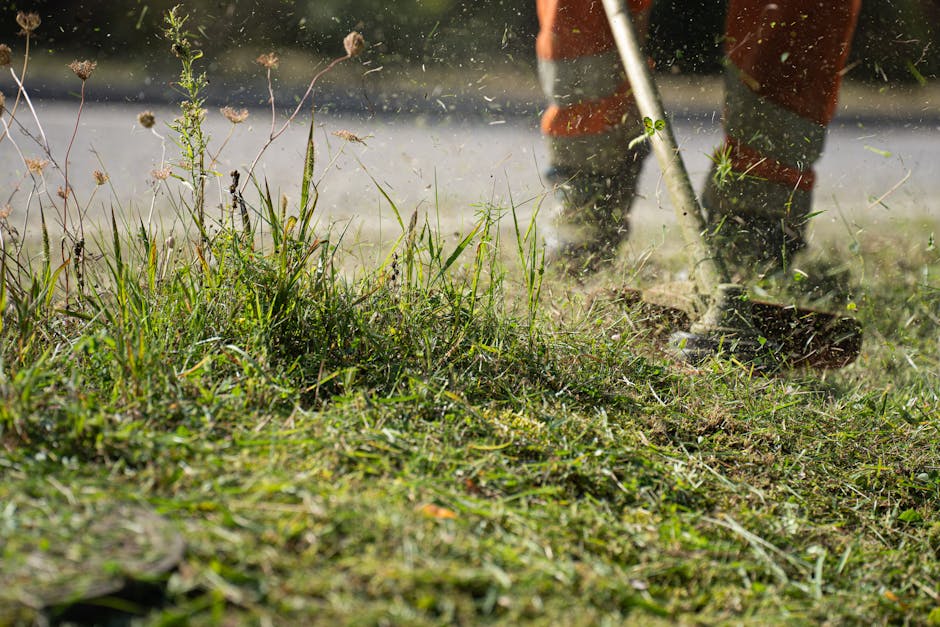
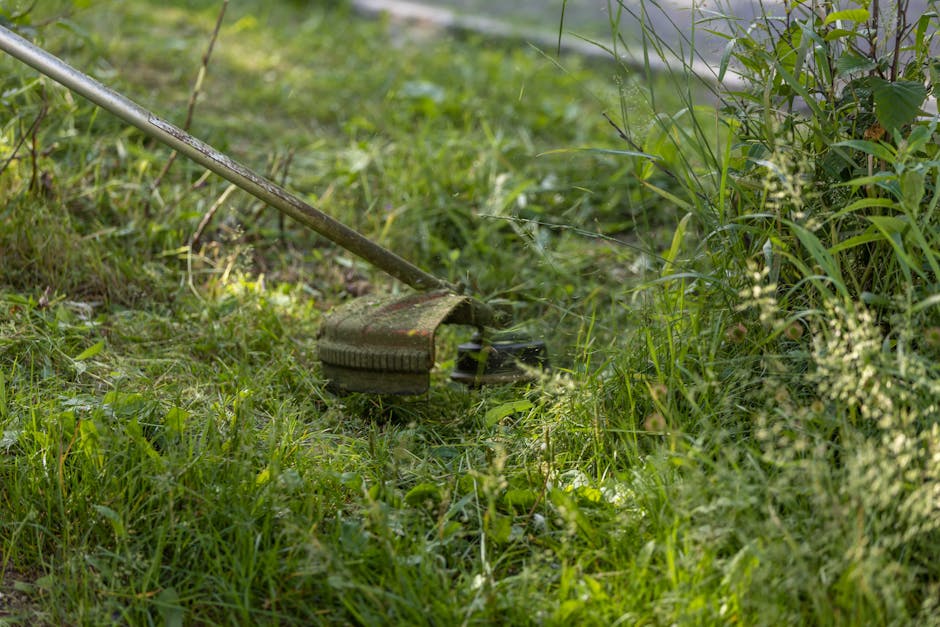
Typical maintenance jobs in Stratford E15 may include:
- lawn mowing and edging
- weed removal from beds, paving, and borders
- hedge trimming or light shaping
- deadheading and seasonal tidying
- leaf clearance and green waste collection
- basic pruning of shrubs and small plants
- resetting garden edges or cleaning paths
Some visits are routine, while others are more like a reset. For example, a garden that is maintained every two weeks will normally cost less per visit than one that has been left for months, because the work is lighter and more predictable. If you need heavier clearance first, a one-off garden clearance service may be more suitable before regular maintenance begins.
It is also normal for pricing to reflect seasonal pressure. Spring and early summer can be busier because everything grows at once. Autumn often brings leaf fall and extra cleanup. On the face of it, that is simple enough, but the workload can change week by week. A damp garden after a windy spell is very different from the same garden in bright dry weather.
Key Benefits and Practical Advantages
Good garden maintenance gives you more than a neat lawn. It helps the whole property feel calmer, safer, and better cared for. That can be especially important if you are preparing a rental property, planning to sell, or just tired of looking at the same stubborn patch of nettles near the fence.
- Better value for money over time: routine maintenance usually costs less than repeated emergency tidy-ups.
- Cleaner presentation: a kept garden makes the home look more settled and cared for.
- Less long-term damage: weeds, moss, and overgrowth can turn into bigger issues if ignored.
- More usable space: patios, borders, and lawns become places you actually want to use.
- Fewer surprises: regular visits make pricing and scheduling easier to plan.
There is also a practical mental benefit. A tidy garden does something subtle to the day. You open the back door, see the light on the grass, hear the shears, and suddenly the whole place feels less chaotic. That sounds sentimental, maybe, but it is true for a lot of people.
For homes with timber features, decking, or planted structures, it can help to keep maintenance in step with broader outside improvements. If you are thinking beyond simple upkeep, the site's landscaping and decking services pages are useful for seeing how maintenance and bigger works can fit together.
Who This Is For and When It Makes Sense
This kind of pricing guide is useful for a wide range of people, but it matters most when you need a realistic budget, not a rough guess.
- Homeowners who want seasonal tidying or regular upkeep without overpaying.
- Landlords and letting agents who need gardens kept presentable between tenancies.
- Older residents who may prefer reliable help with the jobs that are getting harder to manage.
- Busy families who simply do not have the time for weekly upkeep.
- Buy-to-let investors who want a clean exterior to support the property's appeal.
- People recovering from a busy or neglected garden who need a reset before moving to routine care.
It makes sense to book maintenance when the garden starts asking for more than you can comfortably give. You know the moment. The grass has gone patchy and too long, the hedge is beginning to slouch, and the weeds are appearing in places you swear were clear last week. That is usually the point where routine work becomes cheaper and less stressful than delaying again.
If you are not sure what kind of visit you need, it can help to explore the main garden maintenance service page alongside your quote request. You will usually get a clearer sense of whether you need one-off work, recurring care, or a broader tidy-up.
Step-by-Step Guidance
If you want the most accurate price, the best approach is to treat the quote process like a short planning exercise. A little preparation goes a long way.
- Walk the garden slowly. Look at the lawn, borders, hedges, paths, beds, and any awkward corners. Notice what is actually overgrown rather than what just feels messy.
- List the jobs. Separate mowing, hedge trimming, weeding, leaf clearance, and pruning. Mixed jobs are common, but clarity helps.
- Check access. Measure mentally whether tools and waste can pass through side gates, narrow paths, or shared entrances.
- Think about waste. A small tidy may create a few bags. A full reset can create far more, which affects labour and disposal.
- Decide on frequency. One-off, fortnightly, monthly, and seasonal visits all price differently.
- Ask what is included. Does the quote cover sweeping, bagging, disposal, and minor edging? Or just the core task?
- Compare the scope, not just the price. A cheaper quote may simply be less complete. That happens quite a lot, to be fair.
Once you have those basics, you can compare estimates with far more confidence. The real cost becomes much easier to understand when everyone is talking about the same level of work.
For example, a small front and back garden may only need an hour or two if it is maintained regularly. But if the same space has been left to grow freely, a first visit could take far longer because the work becomes part cutting, part clearing, part sorting out what got out of hand. That first visit often sets the tone for the whole maintenance schedule.
Expert Tips for Better Results
There are a few simple ways to keep prices sensible while still getting solid results. None of them are dramatic, but they do make a difference.
- Book before the garden becomes a problem. Maintenance is cheaper when growth is manageable.
- Bundle tasks where sensible. One visit for mowing, weeding, and light hedge work is often more efficient than separate call-outs.
- Keep access clear. Moving bikes, bins, and garden furniture before the visit saves time.
- Be honest about the condition. If the garden is heavily overgrown, say so. It saves awkward surprises.
- Ask about regular scheduling. Routine work often gives better value than random one-off visits.
- Keep an eye on seasonal jobs. Leaf fall, hedge growth, and spring regrowth can all change the scope quickly.
A small but useful tip: if you want a quote that holds up properly, take a couple of photos in daylight. Morning or late afternoon light usually shows the real state of things, and not just the bit you last tidied. It is a simple trick, but it avoids misunderstandings.
You can also look at related services when the garden needs more than a tidy. For heavier hedge work, hedge trimming is often priced separately. For lawn-focused visits, lawn mowing is the most direct way to keep the biggest visible surface under control.
Common Mistakes to Avoid
The most expensive garden maintenance mistakes are rarely dramatic. They are usually small misjudgements that compound.
- Only asking for a price, not a scope. Cheap numbers are meaningless if nobody has defined the work properly.
- Assuming all gardens are priced the same. Access, waste, and condition change the real cost.
- Leaving overgrowth too long. Once a garden tips from maintenance into recovery, the job gets slower and pricier.
- Forgetting waste removal. Clippings and cuttings have to go somewhere.
- Mixing maintenance with larger landscaping work. A maintenance quote is not the same as a redesign or structural job.
- Choosing the cheapest option blindly. Sometimes that works. Often, it just means paying again later.
A lot of people also underestimate the value of consistency. A monthly visit may sound like an extra expense at first, but if it stops the garden from spiralling, it often works out better than irregular catch-up work. Strange as it sounds, gardens are a bit like washing-up. Ignore them and they do not politely wait.
Tools, Resources and Recommendations
You do not need specialist knowledge to request a sensible quote, but a few basic tools help you make better decisions.
- Phone photos: useful for showing the size and condition of the space.
- Simple notes: write down what you want done and what can wait.
- A tape measure or rough pacing: helpful if you want to estimate lawn size or hedge length.
- A calendar: useful for planning seasonal visits rather than reacting at the last minute.
- Bin bags or waste containers: handy if you are doing a minor tidy before the gardener arrives.
For service planning, it can also help to review the business's supporting pages on recycling and sustainability, insurance and safety, and health and safety policy. Those pages are useful when you want to understand how a provider thinks about waste handling, site safety, and responsible working practices.
If you are comparing providers, the best recommendation is fairly plain: ask what the first visit includes, ask how waste is handled, and ask whether the service can be repeated on a regular schedule. Three questions, and suddenly the whole thing gets clearer.
Law, Compliance, Standards, or Best Practice
For garden maintenance, the main compliance issues are usually practical rather than complicated. The work may involve sharp tools, powered equipment, manual lifting, waste handling, and access through shared spaces. Because of that, reputable providers should work with sensible safety procedures and proper insurance.
You do not need to turn a garden tidy into a legal seminar, thankfully. But best practice still matters. A responsible provider should be cautious around equipment use, careful with plants or structures that may be damaged, and clear about what is and is not included in the service. If a job involves tree work, tall hedges, or unstable branches, it may fall into a different category and need a more specific approach, such as tree lopping and removal.
Waste handling is another practical area where standards matter. Garden waste should be managed responsibly, and the handling method should be clear in the quote. If a job creates a lot of cuttings, it should be obvious who is removing them and where they are going. That should not be fuzzy.
For customers, the useful takeaway is simple: choose a provider that explains scope clearly, shows care with safety, and does not talk vaguely about "everything included" unless they actually mean it.
Options, Methods, or Comparison Table
Different pricing models suit different gardens. The right choice depends on how much work you need and how predictable the space is.
| Pricing method | Best for | Strengths | Watch out for |
|---|---|---|---|
| Hourly rate | Unclear or varied jobs | Flexible, good for mixed tasks | Total cost can rise if the garden is more neglected than expected |
| Fixed quote | Defined one-off visits | Clear budgeting, less uncertainty | Only fair if the scope is described accurately |
| Regular maintenance plan | Ongoing care | Often better value over time, easier scheduling | Needs consistency to stay cost-effective |
| Task-based pricing | Specific jobs like mowing or hedge trimming | Easy to compare like-for-like work | Can become more expensive if many tasks are added one by one |
In many Stratford E15 gardens, a mixed approach works best. A first visit may be quoted as a one-off reset, then regular maintenance follows on a simpler schedule. That keeps the initial cost realistic while making ongoing upkeep more manageable. It is not fancy, but it works.
Case Study or Real-World Example
Here is a realistic example based on the sort of enquiry people often make in Stratford E15.
A homeowner with a medium-sized rear garden wanted a one-off tidy after a period of no maintenance. The lawn had grown long, the side path had weeds in the cracks, the hedge was uneven, and there were several bags of old clippings already left from previous DIY attempts. Nothing shocking, just the kind of garden that slowly gets away from you after a busy few months.
The initial price was naturally higher than a routine visit would have been, because the job required more time, more clearing, and more waste handling. After that first reset, the property moved to a regular maintenance pattern. The later visits were quicker, cleaner, and far easier to budget for. That is the real lesson here: the first visit often costs more because it is doing catch-up work, but it can reduce future spend by keeping the garden in shape.
Another common scenario is a landlord preparing for new tenants. In that case, presentation matters. A straightforward tidy, hedge trim, and lawn cut can dramatically improve first impressions without turning the job into a major landscaping project. Sometimes the simplest work makes the biggest visual difference. You can almost hear the relief when the garden stops looking abandoned.
Practical Checklist
Use this before requesting a quote or booking a visit.
- Take clear photos of the front and back garden.
- List the exact tasks you want completed.
- Note whether the space is regularly maintained or overgrown.
- Check access points, gates, and narrow passages.
- Decide whether you want a one-off tidy or recurring visits.
- Ask whether waste removal is included.
- Confirm if hedge trimming, pruning, or lawn work is separate.
- Think about any safety concerns, slopes, broken paving, or fragile features.
- Compare at least two quotes on the same scope of work.
- Check whether the provider can offer a regular schedule after the first visit.
If your garden needs a broader refresh rather than routine upkeep, it may be worth reviewing landscape gardening or landscaping so you can separate maintenance from improvement work. That distinction matters more than people realise.
Conclusion
The Garden maintenance Stratford E15 pricing guide real cost comes down to one simple idea: the price should reflect the actual work required, not just a generic label. Garden size, condition, access, waste, and frequency all shape the final figure. Once you understand those pieces, quotes make much more sense and you can avoid paying too much for too little.
The smartest approach is to define the job clearly, ask what is included, and think beyond the first visit. A tidy garden is nice. A manageable garden is better. And a garden that stays manageable is where the real value sits.
Get a free quote today and see how much you can save.
If you are ready to take the next step, start with a clear idea of what you want done and use the provider's contact route when you are happy to move forward. You can learn more about the team on the about us page or head straight to the contact us page when you are ready to ask for a quote.
Frequently Asked Questions
How much does garden maintenance usually cost in Stratford E15?
The real cost varies depending on garden size, condition, access, and how many tasks are included. A regularly maintained garden is usually cheaper than an overgrown one, because the work is quicker and simpler.
Is a one-off garden tidy more expensive than regular maintenance?
Usually, yes. A one-off tidy often costs more because the gardener is doing catch-up work as well as the visible maintenance. Regular visits tend to spread the work out and keep costs steadier.
What is normally included in garden maintenance?
Common tasks include lawn mowing, edging, weeding, hedge trimming, leaf clearance, deadheading, light pruning, and general tidying. The exact list should always be confirmed in the quote.
Why do garden quotes vary so much?
Because no two gardens are the same. A small, tidy space with easy access is very different from a larger garden with heavy overgrowth, awkward entry, and lots of waste to remove.
Should waste removal be included in the price?
It often is, but not always. You should check this before booking, because green waste handling can affect the final cost quite noticeably.
How often should I book garden maintenance?
That depends on how quickly your garden grows and how tidy you want it to stay. Fortnightly or monthly visits are common for ongoing care, while seasonal visits may suit lighter needs.
Can I save money by bundling tasks together?
Often, yes. Combining mowing, hedge trimming, and weeding in one visit can be more efficient than booking separate jobs. It also keeps the garden looking more balanced.
What makes a garden more expensive to maintain?
Heavy overgrowth, difficult access, large amounts of waste, steep areas, fragile features, and specialist tasks all increase the time and effort involved. That is where the cost usually rises.
Is landscaping the same as garden maintenance?
No. Maintenance is about upkeep, while landscaping usually involves changing the structure or design of the garden. They can overlap, but they are not the same service.
How do I know if a quote is fair?
Compare the scope, not just the number. A fair quote should explain what work is included, what is excluded, and whether waste removal or extra labour could change the price.
Do I need special preparation before the gardener arrives?
Not much, but clearing access, moving valuables, and pointing out problem areas helps a lot. A small bit of prep can save time and reduce confusion on the day.
What if my garden has hedges or larger trees?
If the work goes beyond routine maintenance, separate specialist services may be needed. Hedge trimming can usually be handled as part of maintenance, while larger or riskier tree work may need a more specific service.
For broader guidance on how services are organised and priced, the pages on services overview, pricing and quotes, and insurance and safety are useful places to continue reading.
And if you are the sort of person who likes to keep things neat before they become a headache, you are already halfway there. A good garden is never just luck. It is a little care, done regularly, and that is usually enough.